RLC // phases

Phase 1: Project planning and baseline assessment (Months 1-3)
Finalize project design, site layout, and sequencing of soil health and water-management practices.
Conduct baseline soil and water assessments across the demonstration areas, including photo documentation, infiltration observations, soil moisture conditions, vegetation cover, and soil structure.
Identify priority locations for water-harvesting features and planting areas based on topography, water flow, and existing infrastructure.
Wordings with props aparters and stewards, and community participants to schedule Complete documentary and enter Ridgeway film fest http://uncofarms.com/adventures-
Milestone: Baseline conditions documented and implementation plan finalized.
Phase 2: Water-harvesting and earthworks installation (Months 3-ongoing)
Install and expand regenerative water-management features such as swales, berms, check dams, Zuni bowls, One Rock Dams, log placement, terracing, and related erosion-control structures.
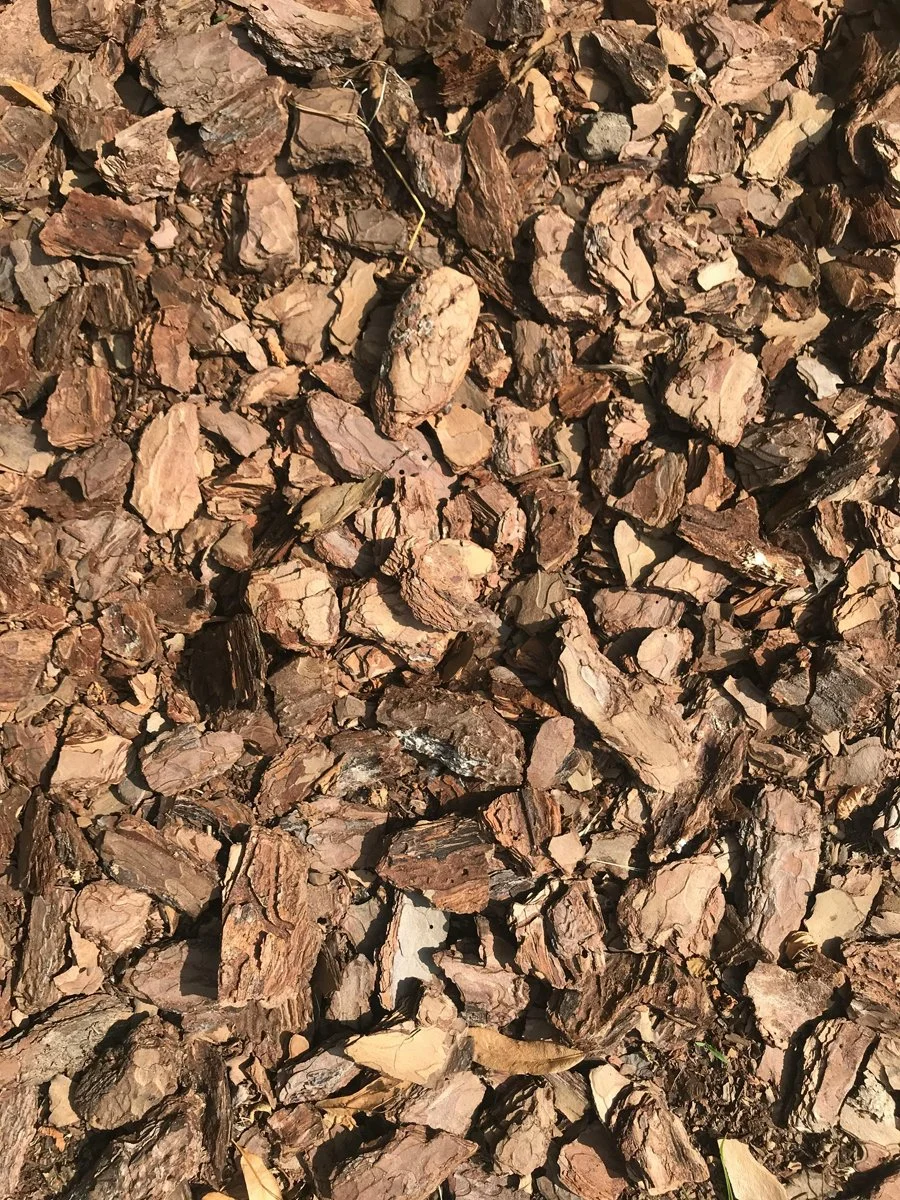
Apply mulch and organic materials to protect soil surfaces and support moisture retention.
Observe and document water movement during irrigation and precipitation events to confirm functionality and inform adaptive adjustments.
Host hands-on community workdays focused on water-harvesting installations and peer-to-peer learning.
Milestone: Primary water-harvesting infrastructure installed and functioning.
Phase 3: Vegetative establishment and soil biological enhancement (Months 6-ongoing)
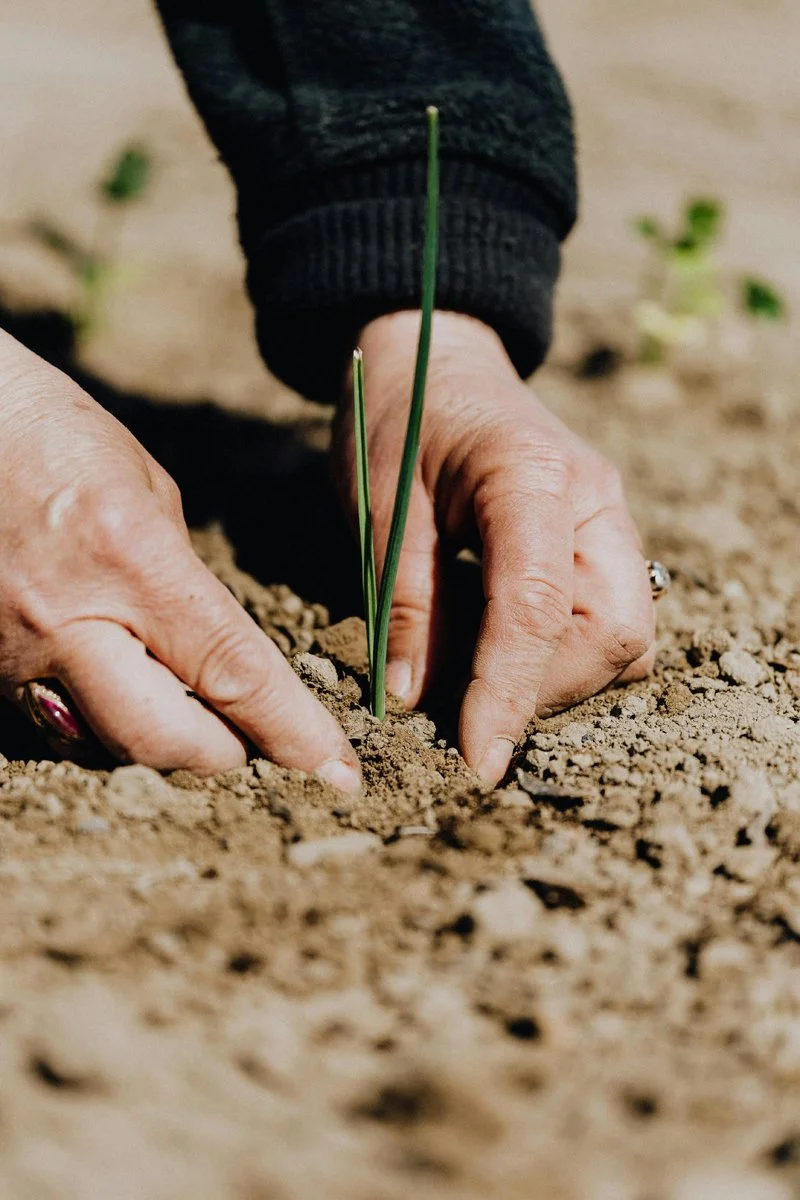
Establish or expand plantings in the annual garden, perennial food forest, and native rangeland/ forest demonstration areas.
Implement soil health practices including permanent soil cover, living roots, diverse plantings, and minimized disturbance.
Monitor early plant establishment, soil moisture retention, and soil structure response.
Host field days and workshops focused on planting strategies, sol biology, and water-efficient land management.
Milestone: Vegetation established and soil health practices actively managed.
Phase 4: Monitoring, adaptive management, and education (Months 9-18)
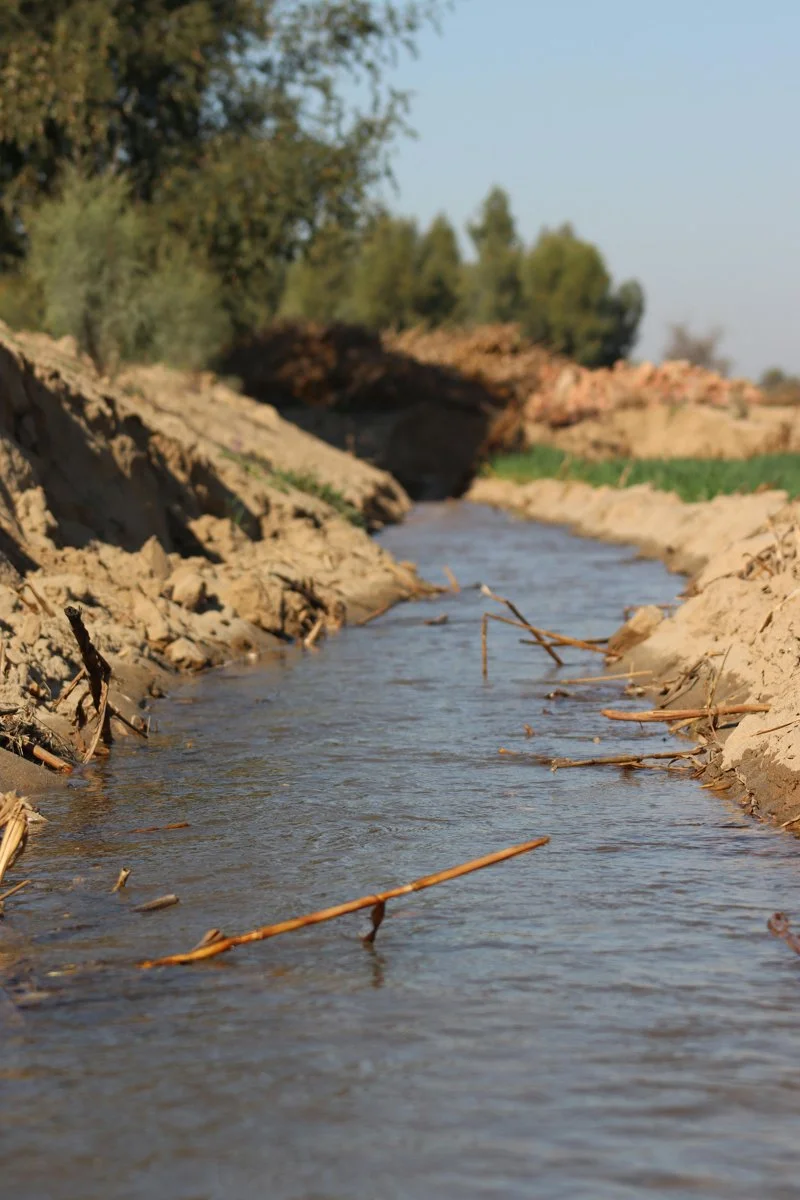
Conduct follow-up soil and water observations to compare against baseline conditions, including infiltration behavior, soil moisture persistence, erosion reduction, and plant health.
Adjust management practices as needed based on monitoring results.
Continue community engagement through tours, workshops, and peer learning events.
Document outcomes, lessons learned, and observed changes in soil and water function.
Milestone: Demonstrated improvements in soil health and water utilization, with documented outcomes and shared learnings

Phase 5: Project evaluation and knowledge sharing (Months 15-18)
Compile monitoring observations, photographs, and participation data.
Summarize project outcomes, challenges, and adaptive strategies.
Shares results with participants, partners, and the broader agricultural community through workshops, written summaries, and informal networks.
Milestone: Project evaluation completed and results disseminated.
Timeline flexibility
The project timeline is intentionally designed to remain flexible and responsive to seasonal conditions, weather variability, and learning opportunities. Adaptive management will ensure that soil health and water-management practices are implemented thoughtfully and effectively, while still meeting project goals within the grant period.